Our History

A Brief History of our Parish

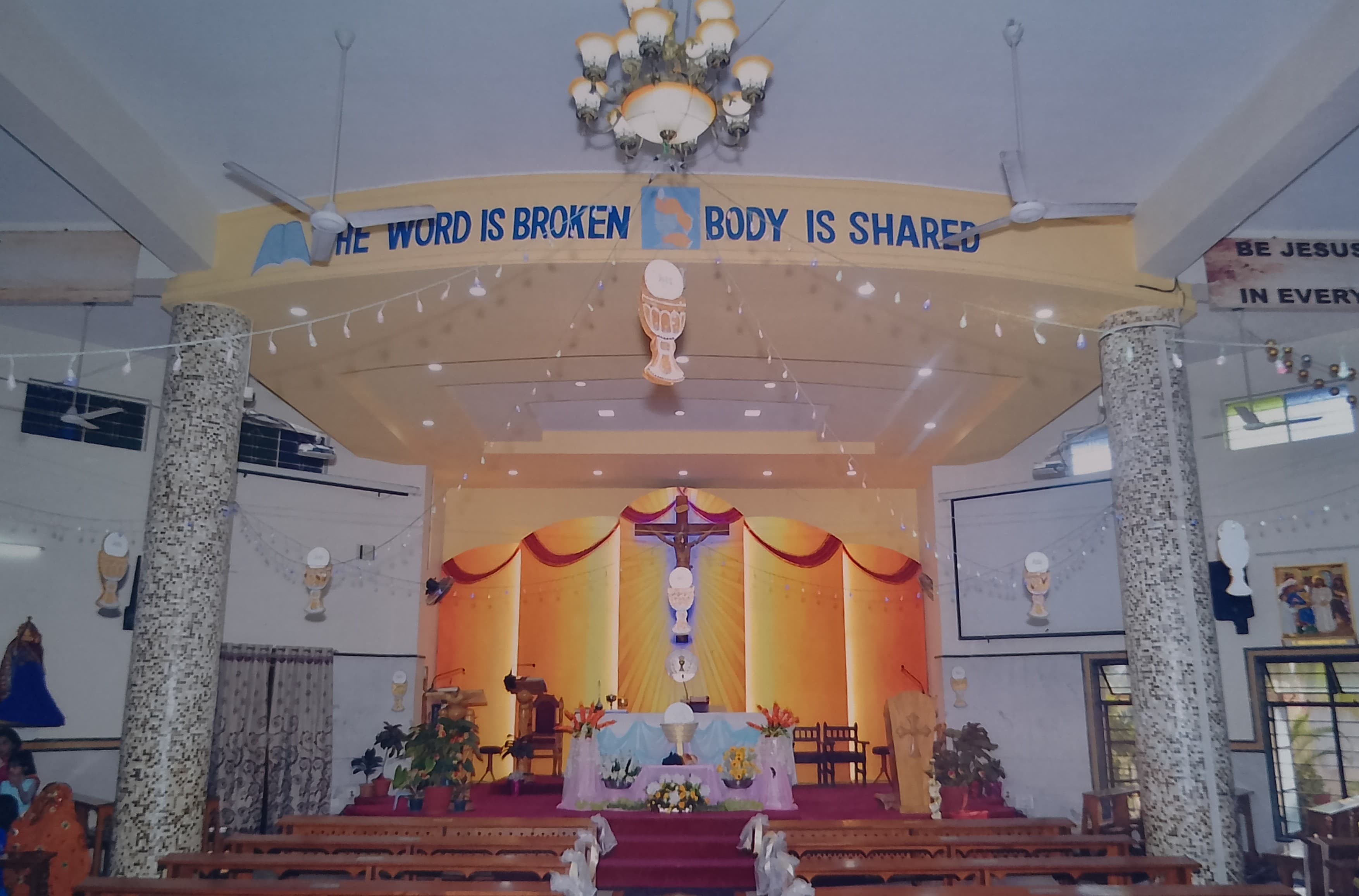
Interior view of our parish before the renovation in 2023

Interior view of our parish prior to the renovation done in 2023.

A village off the highway

In the early 1960s, Pimpri was a relatively unknown village located just off the Mumbai–Pune Highway. Situated about 15 km from Pune, it originally served as a camp for Sindhi refugees. At the time, there was no church in the area, forcing the few Catholic residents to travel to St. Ignatius Church in Kirkee (Khadki) for religious services. With the establishment of the Hindustan Antibiotics factory, the region began to develop and rapidly industrialize. The arrival of several large industries triggered a major influx of migrants, including a growing Catholic community. Before long, the need for a dedicated parish in the Pimpri-Chinchwad belt became increasingly clear.
Establishment of the Pimpri Plot

To accommodate the community, Catholics in Pimpri initially began gathering for Mass in a hall provided by Hindustan Antibiotics. Recognizing the need for a permanent home, Bishop William Gomes purchased a plot of land in Pimpri in 1974. The land was intended to build a dedicated church for the residents of Pimpri and Kasarwadi, which was slated to be named "Holy Trinity Church".

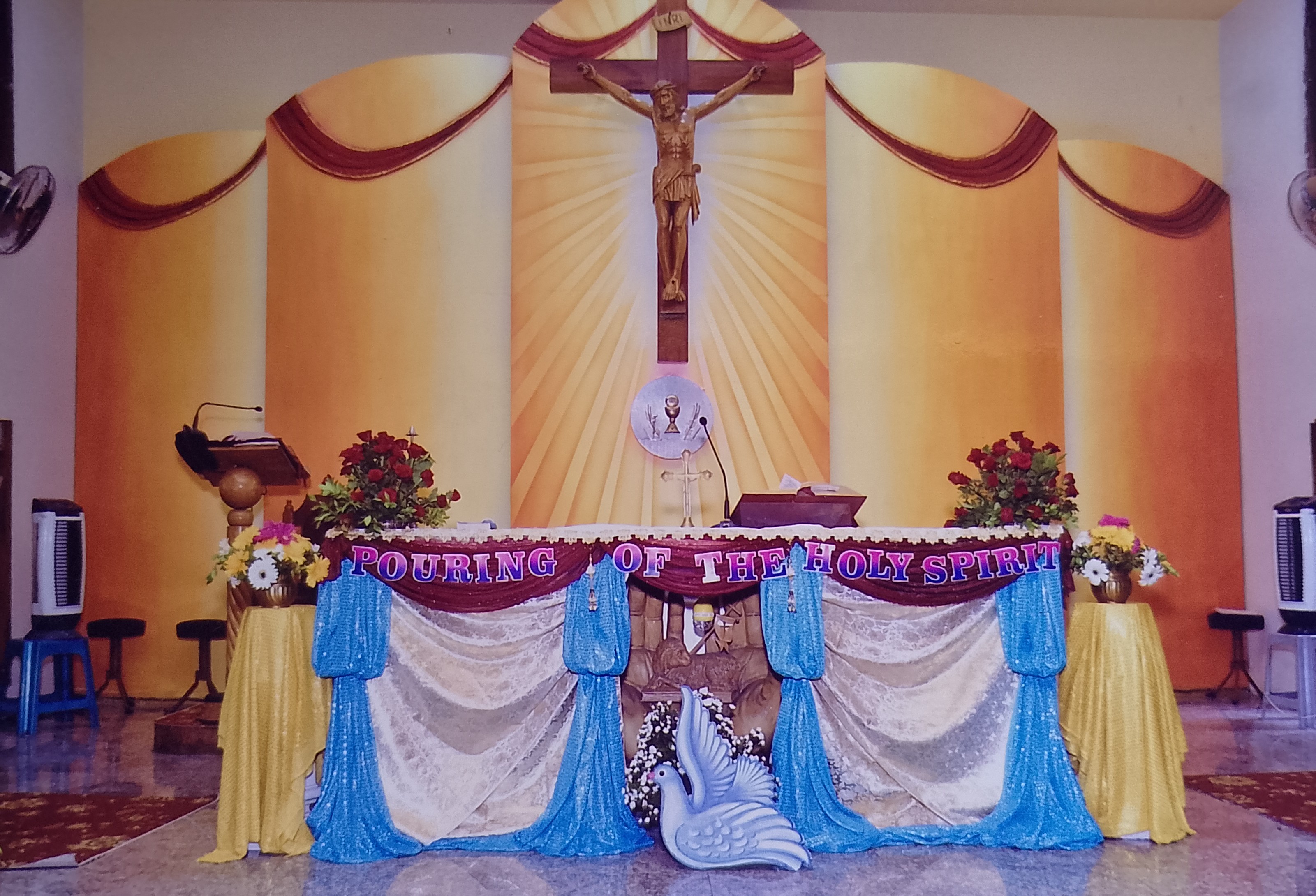
Our Parish sanctuary prior to the renovation done in 2023
Our Parish sanctuary prior to the renovation done in 2023.

The arrival of the Capuchin Fathers

In 1978, Rt. Rev. Valerian D'Souza, then Bishop of Pune, invited the Capuchin Fathers of the Holy Trinity Province to take charge of the newly established Pimpri Parish, which was still functioning as a substation under St. Francis Xavier's Parish in Chinchwad. The Capuchin Fathers accepted the invitation. Around this time, a generous German benefactor offered a donation to fund the church's construction, requesting that it be dedicated under the name "Our Lady Consoler of the Afflicted Church".

Renovation of the Sanctuary

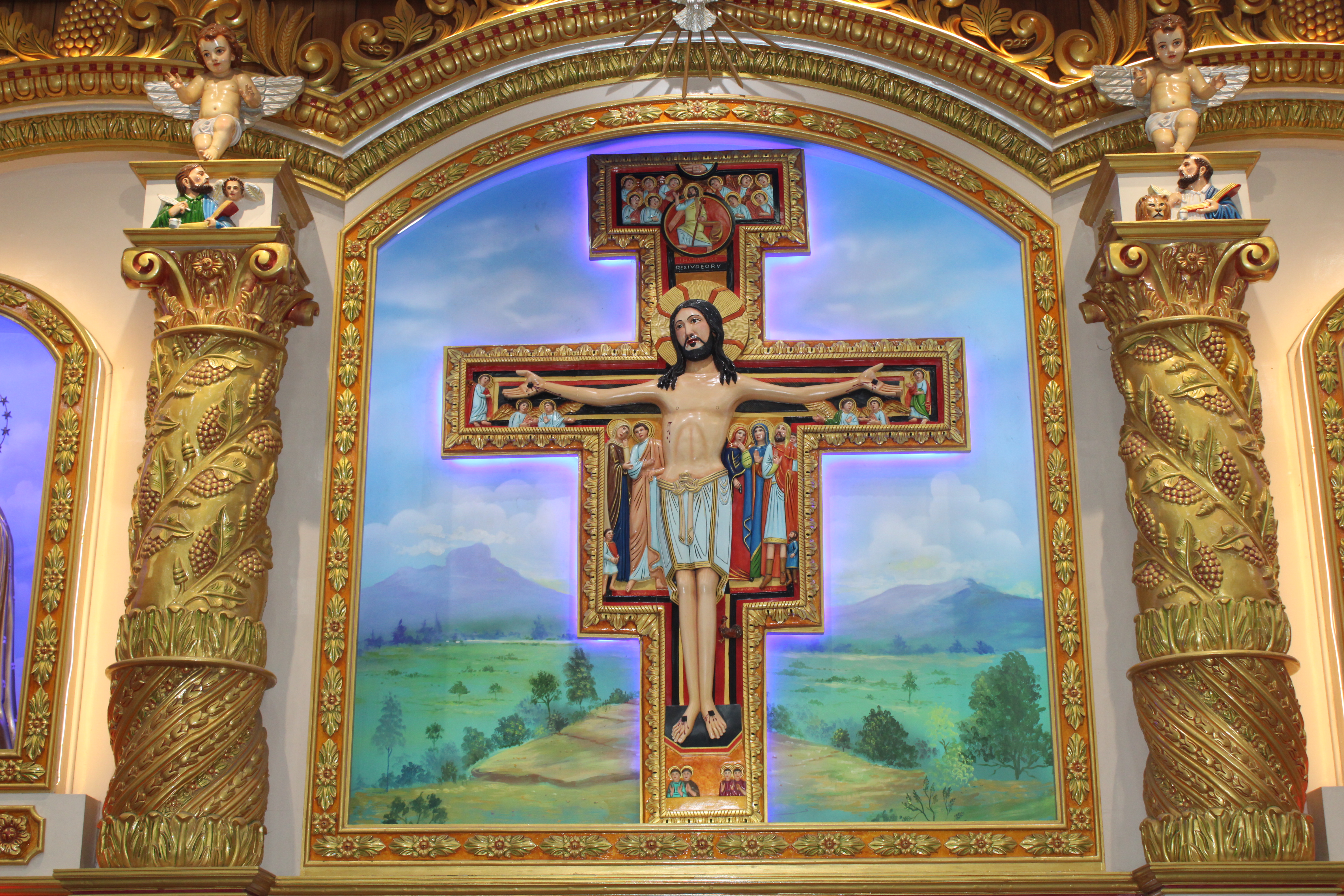
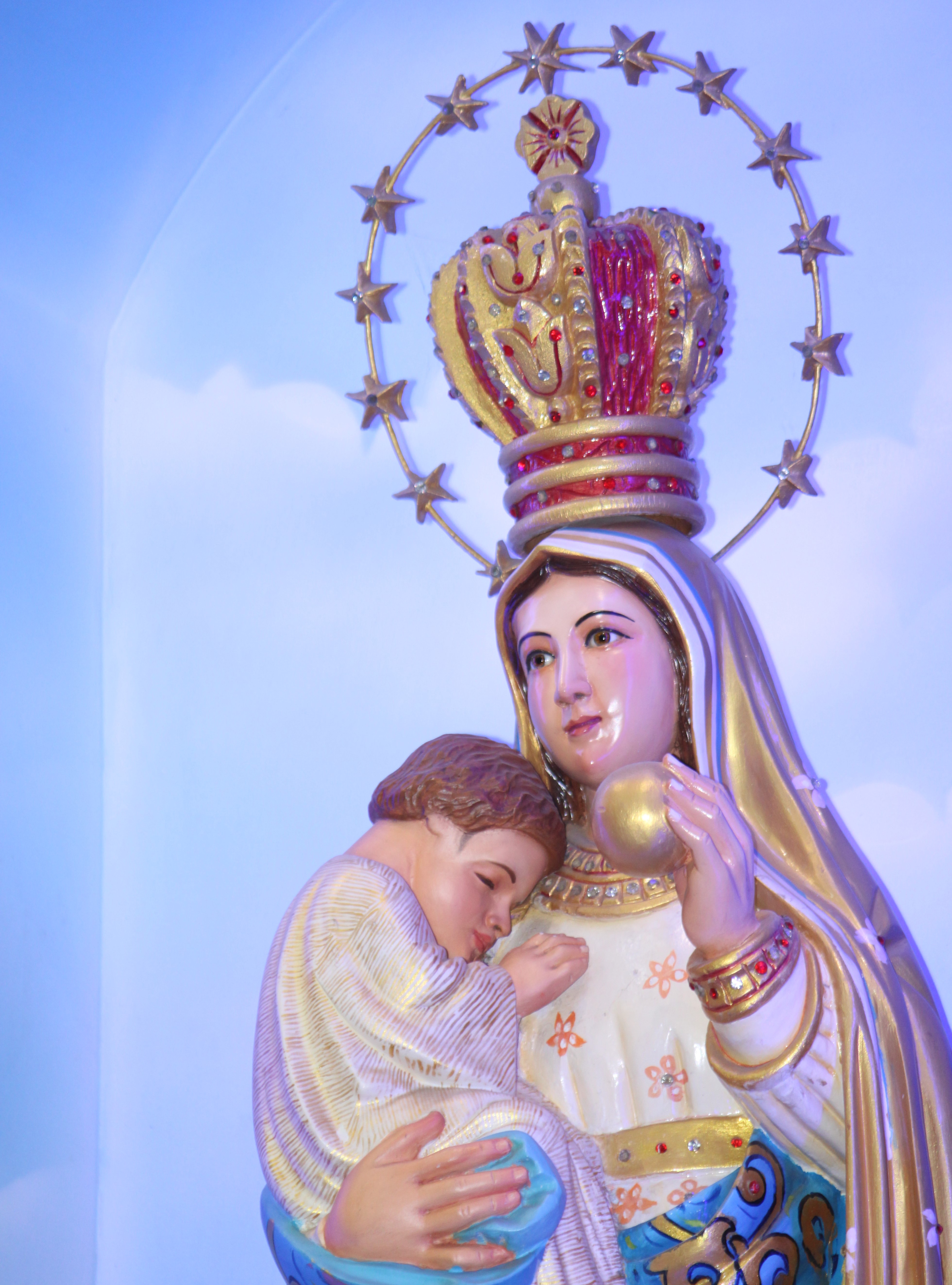
In 2023, the sanctuary underwent a major renovation that significantly transformed its liturgical layout and sacred artwork. San Damiano Crucifix: The original crucifix was replaced with a San Damiano Crucifix, chosen for its strong Franciscan heritage and symbolic connection to St. Francis of Assisi's calling to "Rebuild My Church." Marian and Saintly Statues: A specially commissioned statue of the Blessed Virgin Mary under the title Consoler of the Afflicted was installed to the left of the crucifix, as viewed from the nave facing the altar. To the right, a new statue of St. Joseph was added, marking the first time a statue of St. Joseph had stood in the sanctuary. The Four Evangelists and the Holy Spirit: The sanctuary was further enriched with artistic depictions of the four Evangelists and the Holy Spirit represented in the form of a dove. Repositioning of the Tabernacle and the Word of God: Originally, the tabernacle stood at the centre of the sanctuary, directly beneath the crucifix. In the new layout, it was moved to the right of the San Damiano Crucifix, while a dedicated display holding the Word of God (the Book of the Gospels) was placed to the left. Preservation of Heritage: The former sanctuary backdrop was carefully relocated upstairs to the church hall, where it now adorns the altar used for the children's Mass.

Our Parish today

Our Parish has grown tremendously since its inception, and now serves over 6000 Catholics. It comes under the Capuchin Vice Province of St. Bonaventure (Maharashtra), and is divided into 21 “Small Christian Community” areas.